
The pain point for e-commerce owners is palpable: how much does it cost to make a site accessible, and is there any actual return on investment? Many managers focus solely on the outflow of capital required for developers and accessibility audits, often overlooking the massive opportunity cost of excluding a significant portion of the global population. This narrow focus creates a financial blind spot where the cost of compliance is weighed against nothing, rather than being measured against market expansion.
The Compliance Trap vs. The Expansion Opportunity
The traditional view treats accessibility as a defensive maneuver to avoid lawsuits. While legal risk mitigation is undeniably important, viewing accessibility solely as an expense ignores its role as a revenue driver. An accessible website utilizes high-quality semantic HTML, clear navigation, and optimized image alt-text—elements that do more than just assist screen readers; they significantly enhance Search Engine Optimization (SEO) and user experience for all demographics.
By investing in accessibility, a brand is essentially performing market expansion. You are opening your storefront to the "Silver Economy" (older users with declining vision), mobile users in high-glare environments, and individuals with temporary impairments. This demographic shift represents a massive, untapped pool of purchasing power. The real financial challenge is not just the initial cost of implementation, but the complexity of managing the resulting growth. As your reach expands and your order volume increases, the financial intricacies of your store become harder to track through standard metrics.
Beyond Revenue: Navigating the Complexity of Growth
As accessibility drives more diverse traffic to your store, you will encounter a new set of financial frictions. Increased sales volume often masks underlying issues like rising Customer Acquisition Costs (CAC) or eroding margins due to unmonitored logistics volatility. When you successfully scale via inclusive design, the difficulty shifts from "how do I get more customers" to "how do I ensure these customers are actually profitable."
This is where many e-commerce managers face financial blindness. They see rising revenue in their dashboard, but they fail to see the silent erosion caused by unintegrated COGS (Cost of Goods Sold), fluctuating payment gateway fees from providers like Stripe or PayPal, and the discrepancy between shipping charges paid by customers and the actual cost incurred by carriers.
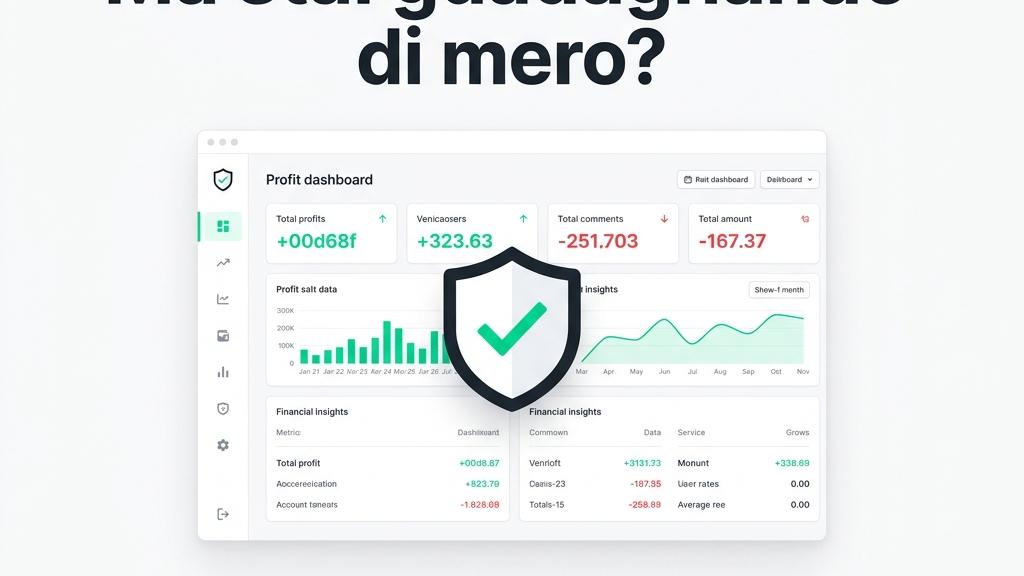
To navigate this era of complex, inclusive growth, you need more than a standard reporting tool; you need a Digital CFO. This is precisely where Profit Warden becomes indispensable. Designed as a high-performance Business Intelligence Middleware, Profit Warden moves beyond the "vanity metrics" of total revenue to reveal your true net profit.
While accessibility expands your reach, Profit Warden provides the command center to manage that expansion with enterprise-level precision. Its decoupled architecture, powered by FastAPI, ensures that deep analytical processing does not slow down your store. It allows you to track the true profitability of every single SKU and identifies the "silent leaks" in your margin, such as gateway friction and logistics volatility.
Through its structured five-phase roadmap—ranging from Operational Accounting (calculating your Daily Burn Rate) to Advanced Intelligence (predictive stock alerts)—Profit Warden acts as a financial guardian. It integrates marketing data to calculate POAS (Profit On Ad Spend), ensuring that your expansion into new, accessible demographics is driving real wealth, not just empty turnover. With Profit Warden, you stop guessing about your margins and start commanding your profit.