
For many e-commerce managers, the initial reaction to accessibility requirements is one of apprehension. The primary pain point lies in the perceived cost of implementation. Retrofitting an existing store—especially those built on complex or legacy template structures—requires significant technical resources. Developers must audit DOM structures, ensure keyboard navigability, manage ARIA labels, and verify color contrast ratios. These are not merely design tweaks; they are deep-seated architectural changes that can lead to increased technical debt and higher development overhead.
The Weight of Compliance Costs
The financial burden begins with the "compliance tax." This includes the cost of professional accessibility audits, the integration of specialized testing tools, and the ongoing maintenance required to ensure that new product launches or site updates do not break existing accessibility features. For small to medium-sized enterprises (SMEs), these costs can feel like a direct erosion of their net profit margins. There is also the looming threat of litigation; the legal fees associated with non-compliance can be catastrophic, yet the cost of preventing such issues is often viewed as an unrecoverable expense rather than an investment.

The Revenue Opportunity: The Purple Dollar
On the other side of the ledger lies a massive, often untapped, economic opportunity. Accessibility is not just about avoiding lawsuits; it is about market expansion. By designing for users with visual, auditory, or motor impairments, brands tap into the "Purple Dollar"—the significant purchasing power of the disability community and their allies. Furthermore, accessibility improvements often yield a "curb-cut effect," where features designed for accessibility—such as high-quality alt-text or clear navigation—simultaneously improve SEO rankings and the overall User Experience (UX) for all customers. This leads to higher conversion rates and improved customer loyalty.
The Financial Blind Spot: Why Turnover is a Vanity Metric
Despite the clear benefits, most e-commerce owners struggle to quantify this impact. They can see their total revenue increasing, but they lack the granular visibility to know if that growth is actually profitable after accounting for the costs of accessibility audits, technical updates, and increased COGS (Cost of Goods Sold). Many store owners suffer from a state of "financial blindness," where they celebrate high turnover while their actual net margins are being silently eroded by unmonitored operational expenses.
When you invest in accessibility, you are essentially adjusting your cost structure. To understand if these investments are paying off, you cannot rely on standard WooCommerce reports that only show gross sales. You need to know the real profit—the margin remaining after every single variable is accounted for, from gateway fees to shipping volatility and compliance-related overhead.
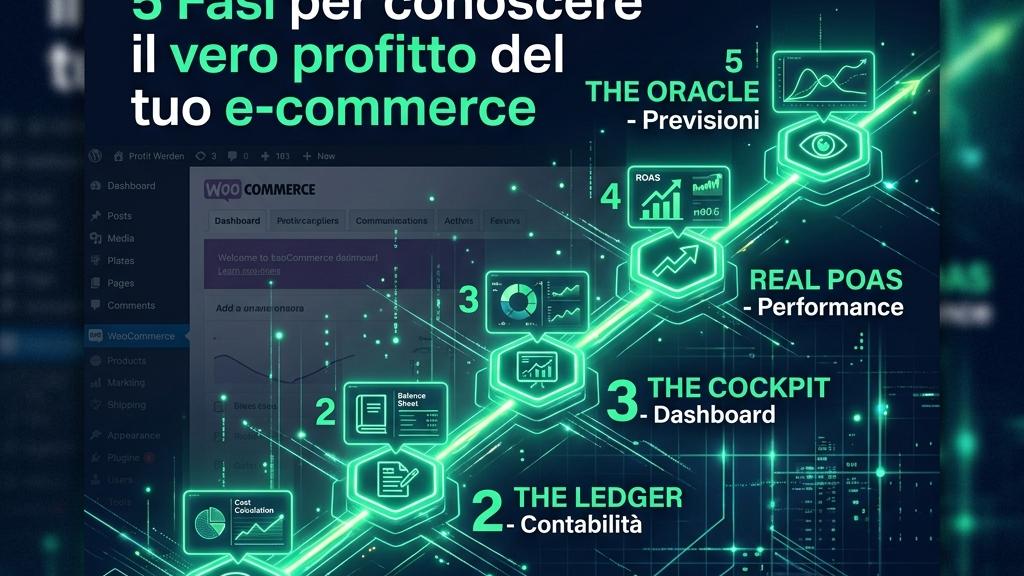
Introducing Profit Warden: Your Digital CFO
To navigate this complex financial landscape, e-commerce leaders need more than just a plugin; they need a Digital CFO. This is where Profit Warden becomes an essential asset for WooCommerce merchants. Designed to solve the crisis of financial blindness, Profit Warden acts as a high-performance Business Intelligence Middleware that transforms raw data into actionable profit intelligence.
Unlike traditional tools that focus on vanity metrics like turnover, Profit Warden reveals your true net profit. It utilizes an advanced decoupled architecture—leveraging FastAPI (Python) for heavy analytical processing—to ensure that your store's performance remains lightning-fast while providing deep insights into your margins. It allows you to track the true impact of every business