
The Anatomy of Checkout Friction in Modern Templates
A checkout template is not merely a styling layer; it is a transactional engine. When a template architecture loads unnecessary CSS frameworks, unoptimized JavaScript scripts, or redundant input fields, the result is friction. Industry benchmarks demonstrate that nearly seventy percent of digital shopping carts are abandoned before completion. A substantial portion of this abandonment is directly traceable to poor user experience: unexpected layout shifts, confusing multi-step flows, slow payment gateway iframe rendering, and ambiguous shipping calculations.
For merchants operating with customized CMS templates, structural bloat can severely degrade page speed. In mobile environments, every additional second of latency introduces an exponential drop in completed orders. Furthermore, rigid template structures often prevent smooth integration with modern payment methods, leaving buyers frustrated by clunky credit card inputs or broken redirect scripts. The immediate consequence is abandoned carts; the deeper, systemic issue is the squandering of paid traffic and marketing capital.
The Trap of Vanity Metrics and Financial Blindness
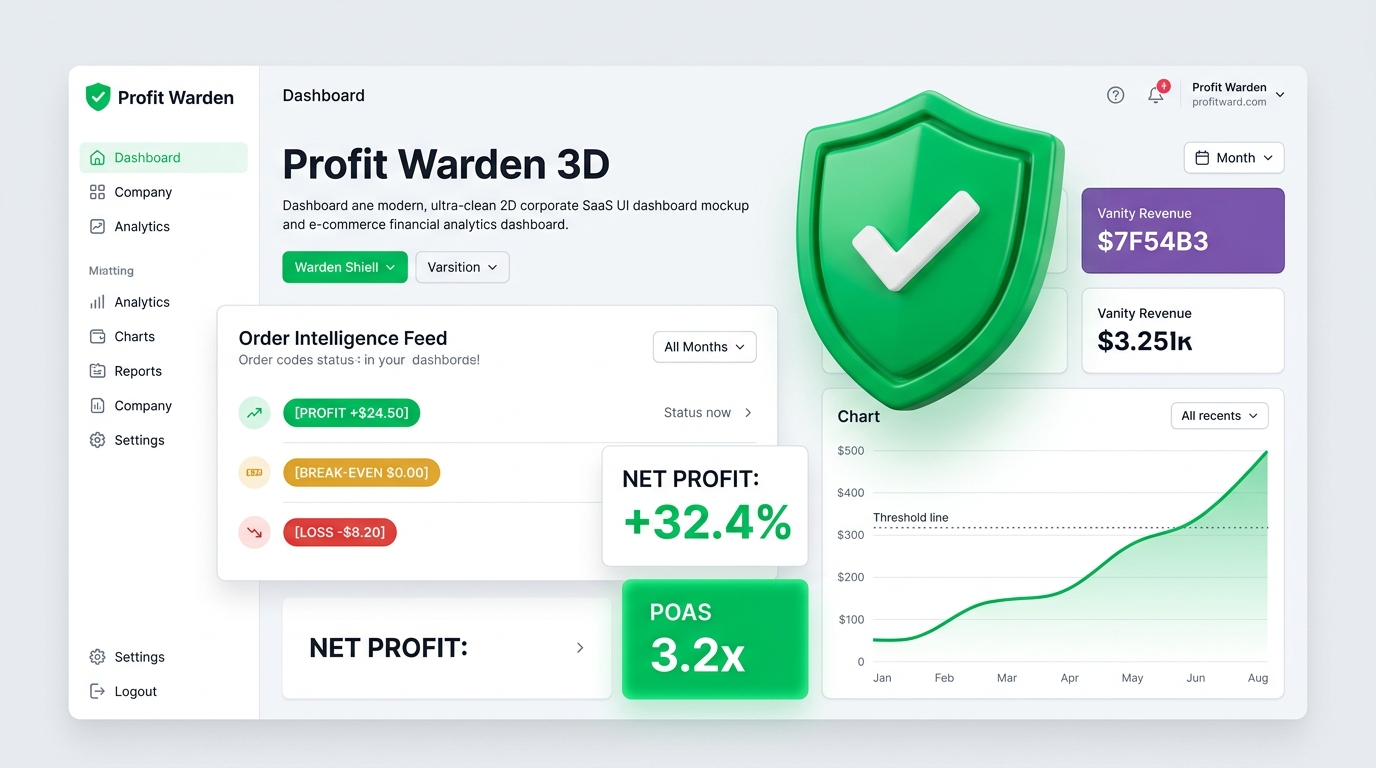
When merchants attempt to diagnose cart abandonment, they often fall victim to financial blindness. Traditional dashboards celebrate gross sales and top-line revenue, which are vanity metrics. Standard reporting fails to reveal the true financial health of a store because it ignores the hidden costs eroding margins behind the scenes. When a poorly designed template drives abandonment, the lost transaction is not the only casualty. The capital already spent on Meta or Google Ads to acquire that visitor is permanently lost.
Moreover, traditional platforms fail to connect checkout behavior with unit economics. Store owners frequently overlook payment gateway friction, where variable processing fees from providers like Stripe or PayPal quietly eat away small margins. They fail to track Cost of Goods Sold (COGS) at the individual SKU level, and they absorb unpredictable shipping volatility caused by disparities between customer charges and real courier invoices. A high-converting template might bring in orders, but without precise financial tracking, each completed checkout could paradoxically be operating at a net loss.
Bridging the Gap: Profit Warden as Your Digital CFO
Resolving this crisis requires both an optimized transactional experience and robust, real-time fiscal intelligence. This is where Profit Warden transforms operational chaos into enterprise-grade financial command. Functioning as an automated Digital CFO and business intelligence middleware, Profit Warden operates under a fundamental truth: standard platforms show gross turnover, but Profit Warden reveals true net profit.
Profit Warden addresses checkout leaks at both ends of the funnel. To tackle abandoned revenue directly, the platform integrates an automated cart recovery mechanism engineered to restore up to 7.5% of lost turnover. Simultaneously, it eliminates financial blindness by executing a structured five-phase CFO roadmap. Starting with secure API synchronization and strict refund accounting, it progresses through operational accounting to calculate your true Daily Burn Rate and real-time break-even points.
Decoupled Architecture and True Profit Optimization
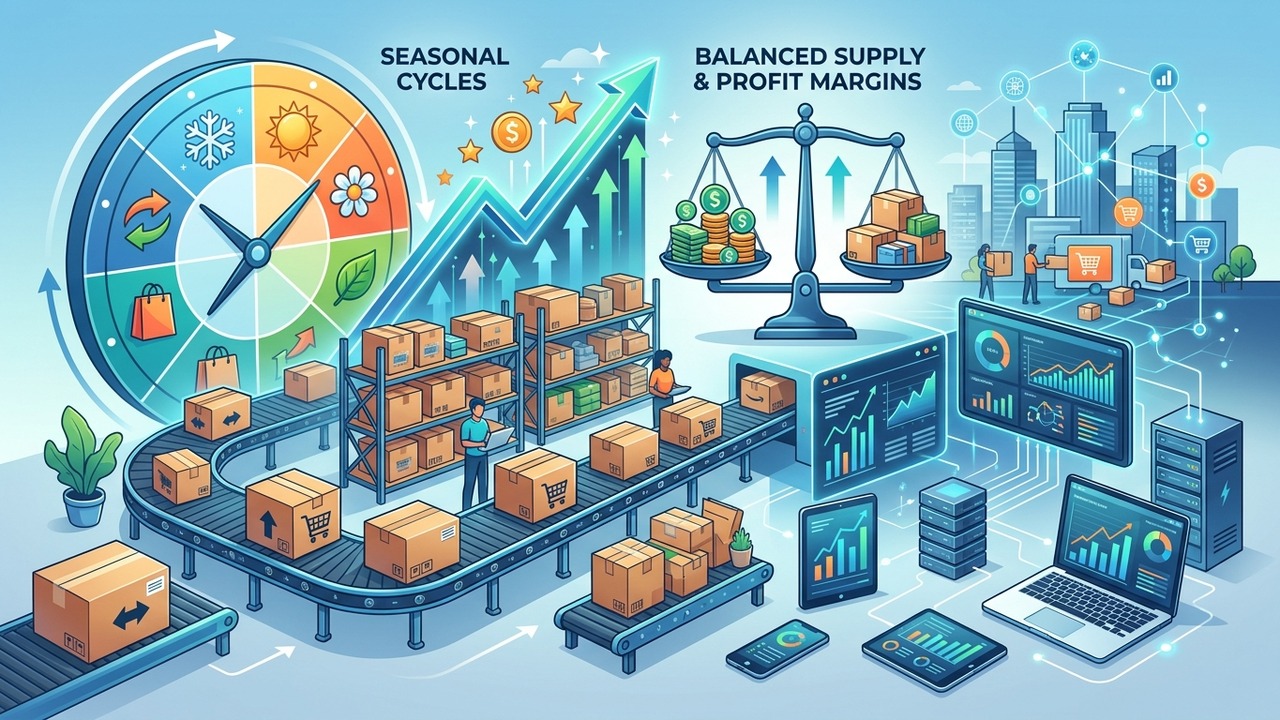
Unlike monolithic plugins that overload your CMS database, Profit Warden utilizes an innovative decoupled architecture. Its backend is driven by a high-concurrency FastAPI (Python) service paired with resilient SQLite storage, while analytics are surfaced through an interactive Streamlit business intelligence portal. This technical separation guarantees that complex algorithmic data processing never slows down your front-end checkout template or server response times.
Through its marketing integrations, Profit Warden bridges the gap between ad expenditure and checkout success by calculating Profit On Ad Spend (POAS) and exact customer acquisition costs rather than simple ROAS. Every completed transaction receives an instant chromatic verdict—categorized as green for profit, yellow for watch, or red for loss—giving merchants instantaneous visibility into order-level viability. Backed by automated EU/UK VAT and US Sales Tax compliance via Freemius, Profit Warden enables store owners to eliminate hidden fees, optimize checkout flows, and steer their e-commerce venture on true net profitability.